
CRICKET
The Timeless Journey of Cricket: From Village Greens to Global Arenas
The Timeless Journey of Cricket: From Village Greens to Global Arenas
Few sports have captured the imagination of millions quite like cricket. It is more than just a game—it is history, tradition, and passion wrapped into one. From its humble beginnings in rural England to the glittering stadiums of today, cricket has traveled a fascinating journey. Let’s take a walk through its evolution.
Origins: The Gentlemen’s Game
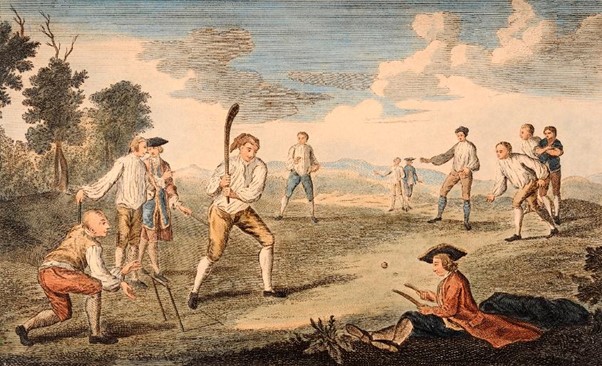
The story of cricket begins in 16th-century England, where it started as a simple pastime for shepherds and villagers. By the 17th century, it had gained enough popularity to be played by aristocrats and royalty alike. Cricket wasn’t just a sport then—it was a social affair, often played on village greens, with spectators gathering to cheer for their local teams.
The 18th & 19th Century: Rise of the Empire’s Game
The 1700s saw cricket spread across England, with formal rules being codified by the Marylebone Cricket Club (MCC) in 1787. This was a turning point. Cricket moved from being a casual pastime to a structured sport with regulations.
As the British Empire expanded, so did cricket. Soldiers, sailors, and colonists carried the game to distant lands—India, Australia, the West Indies, and Africa. By the mid-1800s, the first international matches were being played. In fact, the iconic Ashes rivalry between England and Australia was born in 1882, a tradition that still fires up fans today.
The 20th Century: Tradition Meets Modernity
The 1900s were a golden age for cricket. Test cricket, the purest form of the game, dominated the sporting landscape. Legends like Sir Don Bradman, Sir Garfield Sobers, and Sunil Gavaskar carved their names into history.
The 1970s brought a revolution. The introduction of One Day Internationals (ODIs) and the first-ever Cricket World Cup in 1975 made the game faster, more colorful, and more appealing to wider audiences. With limited overs, big hitting, and day-night matches, cricket became entertainment as much as sport.
The 21st Century: A Global Spectacle
If the 20th century was about tradition, the 21st is about reinvention. The birth of Twenty20 (T20) cricket in the early 2000s transformed the game forever. Matches became shorter, punchier, and designed for instant thrills.
The Indian Premier League (IPL), launched in 2008, showcased the perfect blend of sport, entertainment, and business. Players from around the world came together in franchise-based teams, and cricket suddenly had the glamour of football leagues and Hollywood combined.
Technology too has changed cricket’s face—Decision Review System (DRS), spider-cam, Hawk-Eye, and analytics have made the game sharper and fairer. Social media has brought fans closer than ever to their heroes, making cricket not just a sport but a lifestyle.
Today and Beyond
Today, cricket is played and followed by billions across continents. From the dust-filled gullies of India to the pristine grounds of Australia, from the Caribbean islands to the streets of London, cricket binds people together like few other things can.
Looking ahead, cricket continues to expand—with women’s cricket gaining its long-overdue recognition, new nations like Afghanistan and Ireland making their mark, and formats like The Hundred experimenting with innovation. The future promises an even more inclusive and global cricketing culture.
Final Over
Cricket has come a long way from shepherd boys knocking a ball with sticks to billion-dollar leagues lighting up TV screens worldwide. Yet, at its core, it remains the same—a contest of skill, strategy, patience, and heart. Whether it’s a tense last-ball finish in a T20 game or the quiet drama of a five-day Test match, cricket continues to capture the spirit of sport in its purest form.
It isn’t just a game. It’s a journey—one that started centuries ago and still continues to evolve, just like the people who love it.